




This paper examines monetary trends in Iraq through a comparative and empirical lens, focusing on the relationship between the monetary base, broad money, inflation, interest rates, and output. It challenges the traditional textbook view that central banks directly control money supply via a stable money multiplier, arguing instead that money creation is often endogenous and shaped by banking behavior, fiscal structures, and macroeconomic conditions.
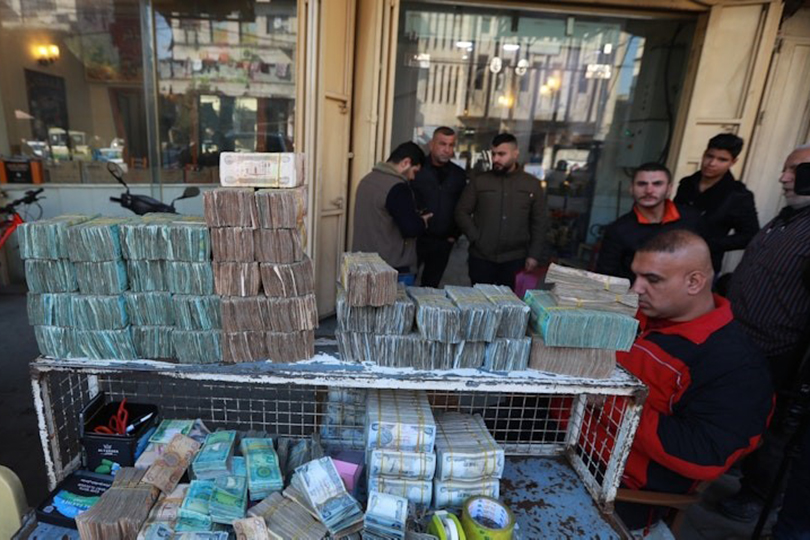
In modern economies, commercial banks create most money through credit expansion, but this mechanism is weak in Iraq due to low lending activity, public preference for cash, and underdeveloped financial markets. As a result, broad money growth in Iraq is largely driven by oil-based public finance rather than private credit. The Central Bank of Iraq (CBI) has limited control over money creation because oil revenues dominate its balance sheet and commercial banks often hold excess reserves instead of lending.
Empirical evidence shows that the relationship between monetary base and broad money in Iraq is unstable in both the short and long run, similar to experiences in advanced economies such as the United States and Switzerland. The money multiplier has become unreliable, especially after the global financial crisis, leading central banks worldwide to shift from monetary aggregate targeting to short-term interest rate targeting. However, this modern framework requires effective transmission mechanisms and developed financial markets—conditions largely absent in Iraq.
The paper also explores the weak and inconsistent link between money growth and inflation. Regression and correlation analyses reveal that broad money has only limited explanatory power for inflation in Iraq, reflecting unstable velocity of money and output fluctuations. Inflation itself can reduce money demand by increasing the opportunity cost of holding domestic currency, encouraging shifts toward foreign currency or real assets.
Additionally, the study analyzes determinants of credit levels, finding that GDP per capita and dependence on natural resource rents significantly explain low credit-to-GDP ratios in oil-dependent economies like Iraq. Fiscal dominance, political uncertainty, weak legal frameworks, and high perceived risk constrain credit expansion despite abundant liquidity.
The paper concludes that standard monetary policy models are ill-suited for Iraq. It calls for a tailored monetary framework that accounts for oil dependency, fiscal dominance, and structural weaknesses, emphasizing deeper analytical understanding over the mechanical application of conventional economic theories.
To read the full analysis, please click on the attached PDF file.


Comments